
Until Dawn: The Architecture of Wholeness
April 1, 2026
Neuromarketing in Hospitality and Gaming: Designing Experience, Shaping Behavior
April 26, 2026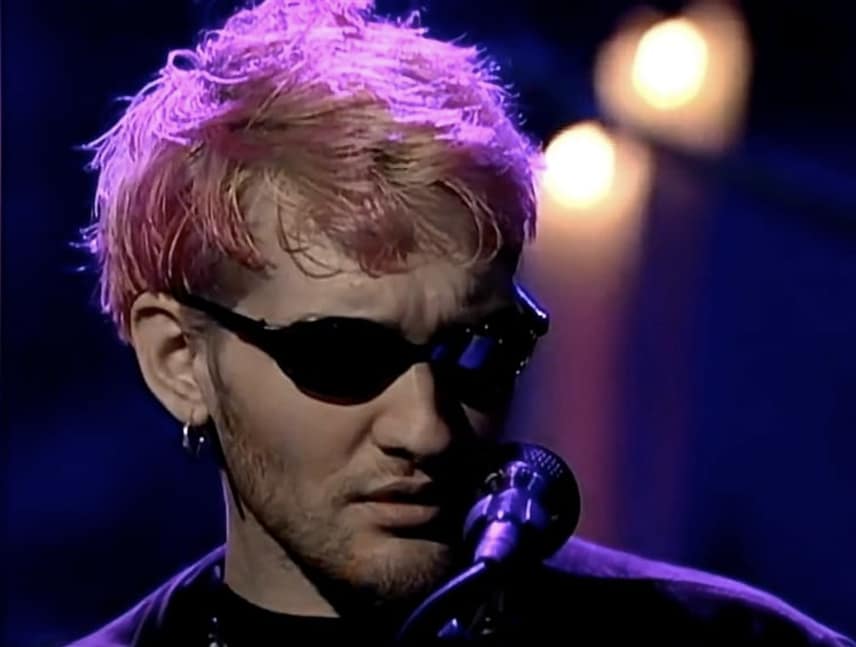
Layne When Nutshell Plays: The Weight of What We Lost
By Nick Aitoro
As the anniversary of Layne Staley’s passing approaches, I return to his music differently. Not just as a listener. As someone who feels it. As someone who knows what it carries.
It becomes something closer to a personal encounter.
There are moments when his voice is not heard. It is felt.
The response is immediate. My chest tightens. My breath shifts. My eyes well up without warning. There is no control over it. It just happens. Those who know his music understand what happens when the first chords of Nutshell play. There is a quiet acknowledgment. A kind of reverence. Not just for him, but for all of us. For what it means to be human and to carry things we don’t always have words for.
That same weight lives in Hate to Feel, in Frogs, in Down in a Hole. You can hear it across all of it. But Nutshell, especially in the MTV Unplugged performance, is different.
It’s stripped down to something raw. Nothing to hide behind.
And seeing it matters just as much as hearing it.
It had been over two years since he was last on a stage. When he walked out, you could see it immediately. Something had changed. His energy was different. His body was different. His face carried something heavier than before. At the time, it was hard to name. It was just felt.
We didn’t know we were watching one of his last performances.
Looking back, that changes everything.
There’s a weight to it now that wasn’t fully understood then. When Nutshell plays from that performance, it doesn’t just sound different. It lands different. There’s a heaviness that settles in, like something unspoken is being shared in real time.
And that’s the part that stays with me.
Because it doesn’t feel like he was performing.
It feels like he was letting us in.
That’s why it hits the way it does. Not just because of the music, but because of what it carried. You can feel the honesty in it. You can feel the pain. You can feel the isolation. And at the same time, you can feel the connection it creates.
That’s what makes it hard.
Because the music is still here. The voice is still here.
But he isn’t.
And as fans, that loss doesn’t sit on the surface. It lands deeper than that. It feels like we lost someone who gave us something real. Something honest. Something that helped make sense of things we couldn’t always explain ourselves.
With the release of This Angry Pen: The Lost Journals of Layne Staley, that feeling only deepens. It shows more of who he was, more of what he carried. And it makes it even clearer that what we were hearing all along was real.
Not an act. Not a persona.
Just him.