
Stepping Into the Quiet
August 23, 2025
The Illusion of Immunity: From Social Comparison to Wholeness
September 3, 2025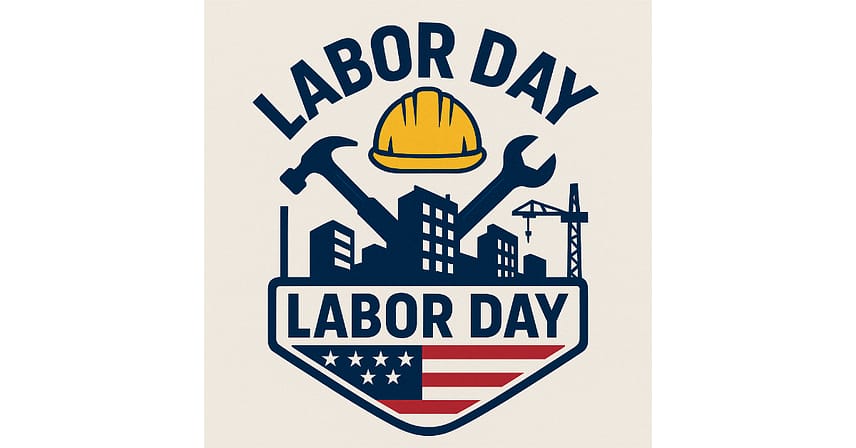
Labor Day in the United States: Honoring Work, Workers, and the Spirit of Community
By Nick Aitoro
Every year, on the first Monday in September, Americans celebrate Labor Day—a holiday rooted in the history of workers’ rights and the ongoing recognition of the dignity of work. Beyond being the symbolic end of summer, Labor Day is a reminder of the sacrifices, progress, and values that continue to shape the American workplace.
Historical Roots
Labor Day emerged during the late 19th century, a time of rapid industrialization. Long hours, unsafe conditions, and low wages defined much of working life. In response, labor unions began to organize, advocating for fair pay, safer environments, and the 8-hour workday.
The first official Labor Day celebration took place in New York City in 1882, organized by the Central Labor Union. By 1894, following a period of intense labor unrest—including the Pullman Strike, which drew national attention—Congress declared Labor Day a federal holiday. The recognition symbolized a step toward acknowledging the contributions of working people to the nation’s prosperity.
The Role of Trade Unions Today
Unions have historically been at the forefront of workplace reforms, championing causes like child labor laws, workplace safety standards, and overtime pay. But in today’s workforce, not all unions play the same role.
I believe trade unions—particularly those in the building and construction trades—remain among the most necessary. These industries face unique challenges:
- Specialized training and certification are critical for safety and quality.
- Apprenticeships provide pathways for young workers to enter trades and learn from experienced professionals.
- Market-driven demand requires unions to help ensure there are enough skilled workers to meet construction needs.
At the same time, the United States faces a growing shortage of skilled labor. Retiring baby boomers, fewer young people entering trades, and a cultural shift pushing students toward four-year degrees have left a gap that threatens our ability to build the infrastructure, housing, and facilities our communities need. Trade unions are uniquely positioned to help close this gap—by training the next generation of electricians, carpenters, plumbers, ironworkers, and other skilled professionals.
Unlike some unions in sectors already afforded strong legal protections, building trades unions continue to provide value that is both tangible and urgently needed. They don’t just advocate; they produce skilled workers whose contributions shape skylines, roadways, and entire communities.
The Meaning of Labor Day
While cookouts, parades, and family gatherings mark the modern holiday, its deeper meaning remains vital:
- Recognition of workers’ contributions: Every road, school, hospital, casino, restaurant, and innovation is built upon the labor of millions.
- Solidarity and fairness: The day reminds us of the ongoing need for equitable workplaces and the shared responsibility between employers, employees, and communities.
- Balance of work and rest: Labor Day is not only about honoring work but also about valuing rest, renewal, and the humanity of every worker.
Modern Relevance
Today’s workforce looks very different than it did in the 1890s. Automation, remote work, and evolving labor laws have transformed how we view employment. Yet for the trades, the relevance of Labor Day is more urgent than ever.
- Safety standards remain central to the construction industry.
- Training pipelines are essential to meet the demand for infrastructure and development.
- Workforce shortages threaten the pace and quality of growth in communities across the nation.
The pandemic also underscored just how critical skilled workers are: construction projects, renovations, and maintenance didn’t pause—they became even more essential to adapting facilities, homes, and workplaces for new realities.
Celebrating Labor Day Today
Communities across the U.S. celebrate Labor Day in different ways:
- Parades and festivals honoring local workers and unions.
- Family traditions like barbecues, camping trips, or back-to-school preparations.
- Moments of reflection on how work connects to personal purpose and community growth.
For leaders, Labor Day is an opportunity to pause and acknowledge team members—not just for what they do, but for who they are. It’s a moment to recognize the humanity, dedication, and unique contributions each person brings to the workplace.
Closing Reflection
Labor Day is more than a holiday—it’s a legacy. It reminds us that the progress of the United States has always been powered by the hands, hearts, and minds of its people.
As we look forward, the greatest labor challenge we face may not be about laws or protections—it’s about people. It’s about whether we can recruit, train, and retain enough skilled tradespeople to meet the demand of a growing nation. Trade unions are not only still relevant; they may be more important than ever in ensuring that the bridges, hospitals, schools, and homes of tomorrow are built with safety, quality, and pride.
Labor Day, then, is both a day of gratitude and a call to action: to value the trades, to support union apprenticeships, and to inspire the next generation of skilled workers who will continue building the future.