
Who’s Really Alive—The Company or You?
August 13, 2025
Memories of Combers Beach
August 17, 2025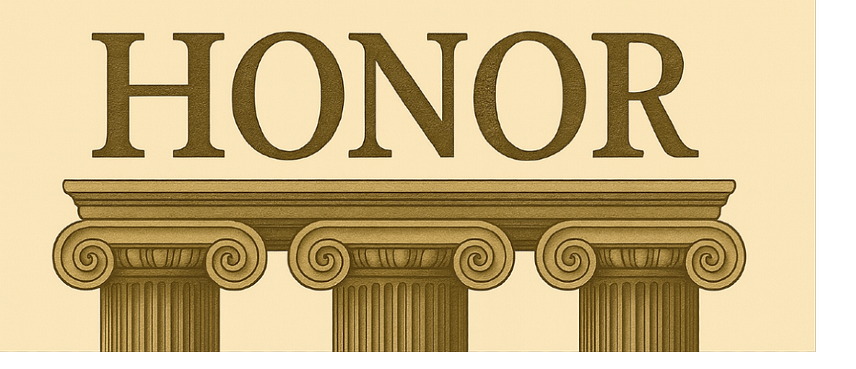
Honoring Your Word: The Unshakable Foundation of Leadership
By Nick Aitoro
In a world of shifting priorities, urgent distractions, and constant change, one principle remains timeless: honoring your word. It is the quiet, steadfast act that builds reputations, fosters trust, and strengthens relationships—both personal and professional.
The CEO I once worked for, a leader I deeply respect, captured this principle in a deceptively simple framework. It’s not flashy. It doesn’t require a strategic plan or a budget line item. But it is the single most powerful leadership discipline I have ever encountered.
1. Do What You Said You Would Do—On Time
At its core, honoring your word begins with keeping your promises. This means following through on commitments, no matter how small. Words without action erode credibility; consistent delivery builds a reputation for reliability.
2. Do What You Know Needs to Be Done—Without Being Asked
True leadership is proactive. It’s not just about fulfilling obligations you agreed to—it’s about stepping up when you see a need, even if it wasn’t formally assigned. This mindset separates those who “meet expectations” from those who elevate the entire team.
3. Do What Others Expect of You—Even Without a Formal Agreement
Expectations often exist without being spoken. Your role, experience, and position set certain standards in the minds of others. Meeting these expectations, unprompted, demonstrates maturity, situational awareness, and an understanding of how your actions affect the whole.
4. Communicate Early When You Can’t Deliver
Life happens. Deadlines slip. Priorities shift. But honoring your word doesn’t mean perfection—it means accountability. When you realize you won’t deliver on time (or at all), communicate as soon as possible. Be transparent about whether you will still complete the task and when. If you can’t, say so outright.
5. Own the Consequences
Integrity isn’t about avoiding mistakes—it’s about owning them. If your delay or inaction affects others, acknowledge the impact and work to resolve it. People are far more likely to extend grace to someone who takes responsibility than to someone who avoids it.
Why This Matters
Honoring your word may sound simple, but in practice it requires discipline, humility, and emotional intelligence. It means resisting the temptation to overpromise, saying no when necessary, and following through even when it’s inconvenient.
For leaders, the stakes are even higher. Every missed commitment is a withdrawal from the trust bank. Every fulfilled one is a deposit. Over time, these transactions define whether you are a leader people can rely on—or one they can’t.
A Final Thought
In leadership, skill and strategy will open doors, but only integrity will keep them open. Honoring your word is more than a professional ethic—it’s a personal standard. It is the quiet power that turns intentions into impact, and leaders into legends.